How Many Tons Does a 20 Yard Dumpster Hold?
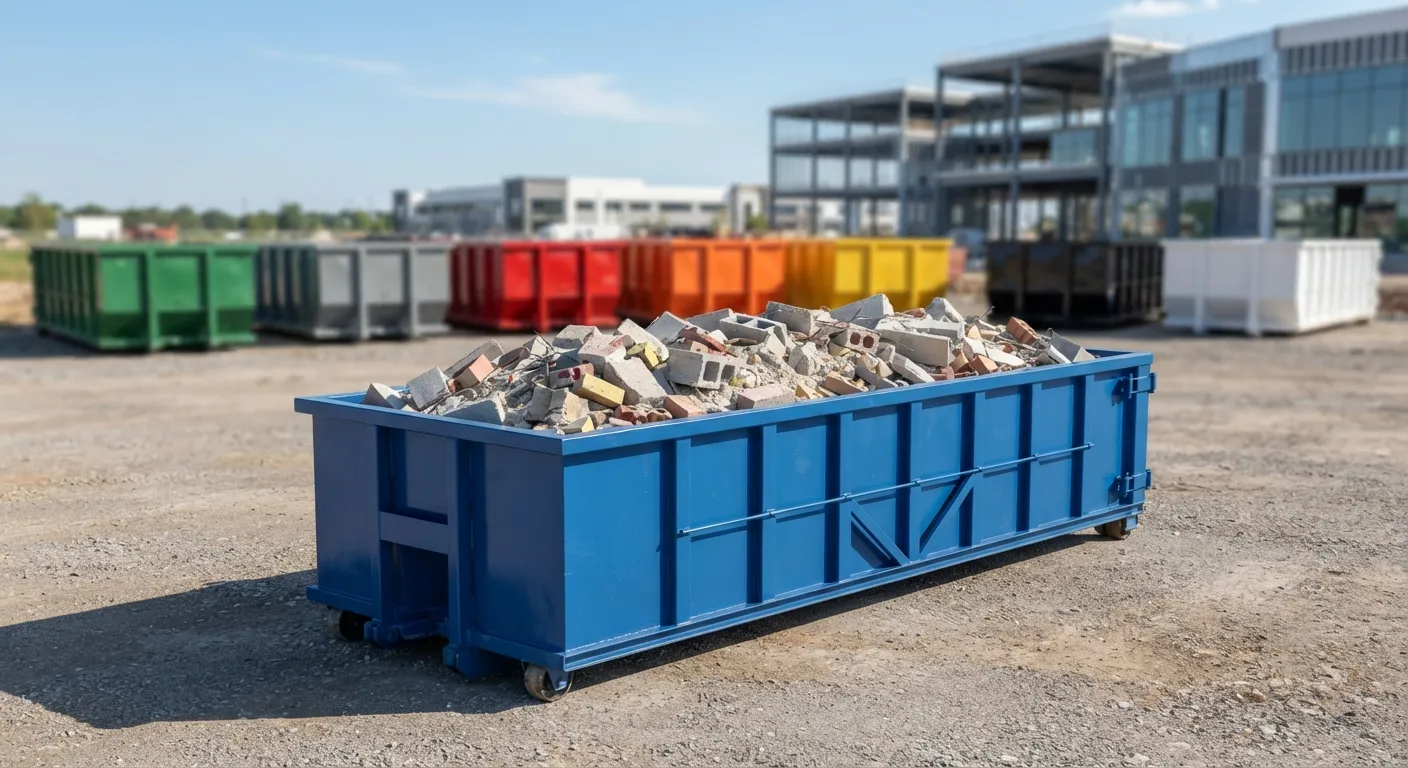
Most 20 yard containers are rated for roughly 3 tons of mixed debris, though the empty container itself already weighs a few hundred pounds before you throw anything in. That empty weight matters because scales at the transfer station measure gross weight, then subtract the tare weight of the box to get your actual load. If you're doing a kitchen tear-out or a modest roofing job in Gilbert, 3 tons usually covers it, but shingles and tile are dense and can max out a 20 yard well before it looks full. Renters comparing 10 yard dumpster rental against a 20, or a dumpster rental cost comparison against a roll-off dumpster rental quote, often assume the bigger box means more room to spare on weight too. It doesn't always work that way. Check dumpster sizes and dimensions before you book so the box matches both the volume and the tonnage you expect to generate. Pricing for a 20 yard sits in line with other roll-off sizes, and you can see the full spread on dumpster rental cost before committing.
How Many Tons Does a 30 Yard Dumpster Hold?
A 30 yard dumpster generally carries a 4 to 5 ton rating, which covers most whole-home cleanouts and mid-size construction debris loads around Gilbert. That extra ton or two of headroom over a 20 yard makes the 30 yard the more forgiving choice for renovation crews pulling drywall, cabinetry and old flooring at once, and it pairs well with a home renovation porta potty on the same site. Weight still creeps up fast with concrete, dirt or wet debris, so ask your provider what counts toward the limit before you load it. 30 yard dumpster rental works well for additions and full remodels, and pairing it with construction dumpster rental service keeps a steady swap schedule going on longer jobs. If you're not sure a 30 yard is the right call, what cannot go in a dumpster lists the materials that get rejected outright, and rejected loads still cost you a trip fee.
How Many Tons Does a 40 Yard Dumpster Hold?
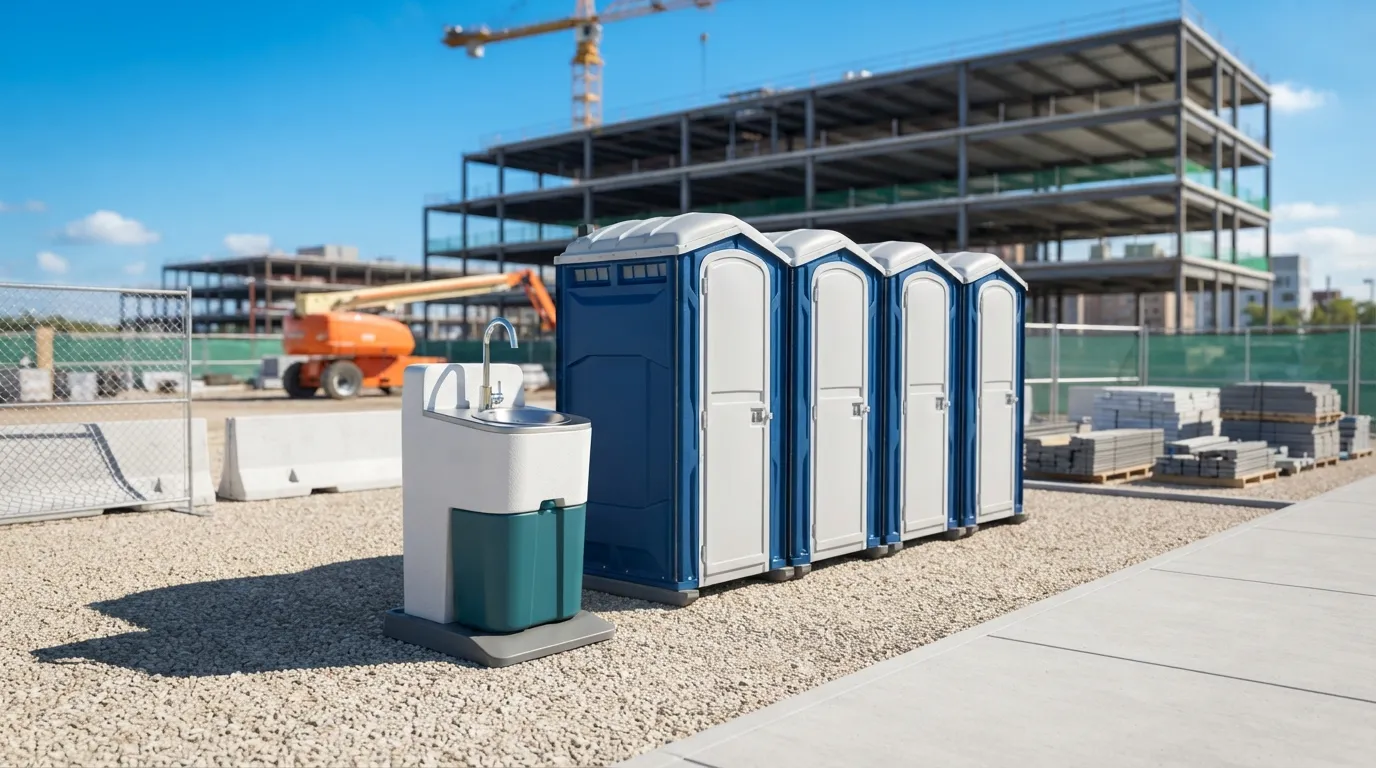
A 40 yard dumpster usually tops out around 5 to 6 tons, making it the choice for large commercial teardowns, big landscaping jobs, or multi-room gut renovations. That's the largest standard box most Gilbert providers stock, and it needs real space to land, similar to the clearance a restroom trailer rental or a storage container rental also needs on delivery day. A roll-off delivery needs about 60 feet of straight clearance behind the truck, so measure your driveway or lot before delivery day, especially on tighter residential streets. Weight limits on a 40 yard are less forgiving on a percentage basis than they look, because a single load of shingles or masonry debris can hit the ton cap while the box still looks half empty. 40 yard dumpster rental makes sense for commercial strip work, but a homeowner doing one bathroom is usually better served by a 10 or 20 yard. Weight limits and overage fees are set locally, so confirm the specific tonnage cap with Gilbert Porta Pros before the box drops, the same way you'd confirm terms before booking a temporary fence rental or a light tower rental for the same job.
Why Does Dumpster Weight Matter More Than Size?
Haulers bill overage by the ton, not by the cubic yard, so a full-looking box that's under its weight cap costs nothing extra while a half-full box loaded with concrete or tile can trigger a big overage charge. This trips people up constantly. A yard of shingles weighs far more than a yard of cardboard or lumber scrap, so two jobs that look identical from the curb can land in completely different price brackets. Dumpster permit requirements in Gilbert cover placement, not weight, so don't assume a permit conversation will clarify your tonnage cap. That's a separate question for the hauler, much like porta potty permit requirements are a separate question from where you place the box on site. If you're planning a job with mixed debris, mention it up front. Some providers set the weight limit lower on a mixed load specifically because sorting adds handling time at the transfer facility, the kind of detail worth asking about on the request a quote call. Renters as far out as Queen Creek, 10.9 miles southeast of Gilbert, and Mesa, 8.1 miles north, run into the same overage issue when concrete or dirt sneaks into a debris load meant for lumber and drywall.
Weight rules aren't unique to Arizona. A roll-off dumpster rental crew in Dayton, Ohio or San Antonio faces the same per-ton overage structure, because the trucks and transfer stations that handle these loads run on the same weighing process nationwide. What changes city to city is the base rental price and the local disposal fee, not the physics of what a box can carry, so check porta potty rental cost and dumpster permit requirements for Gilbert specifically rather than assuming another city's terms apply.
| dumpster size | typical tonnage | daily rate | weekly rate |
|---|---|---|---|
| 10 yard | lighter loads, lower cap | $51-$112 | $426-$778 |
| 20 yard | around 3 tons | $51-$112 | $426-$778 |
| 30 yard | 4-5 tons | $51-$112 | $426-$778 |
| 40 yard | 5-6 tons | $51-$112 | $426-$778 |
Daily and weekly rates run in the same band across sizes based on measured data, but tonnage caps and overage fees vary by size and by what's inside the box. For monthly project timelines, construction site services bundles dumpster swaps with other equipment so you're not juggling separate vendors, and you can add a handwashing station rental or septic pumping service to the same order.
How do I avoid overage fees on a roll-off dumpster?
Load lighter materials first and keep concrete, dirt and tile separate if you can. Ask your hauler for the exact tonnage cap before delivery, since it varies by container and by debris type. Mixed loads with dense material hit the cap fastest, so sort when possible.
How much does a 20 yard dumpster weigh empty?
The container itself, before any debris, weighs a few hundred pounds. That tare weight gets subtracted at the scale so you're only billed for what you actually threw away. Ask your provider for the specific tare weight on their equipment, the sort of question the FAQ page also fields regularly.
Can I put concrete or dirt in a standard roll-off dumpster?
Sometimes, but check first. Dense materials like concrete, dirt and brick eat through weight limits fast and some providers require a dedicated heavy-debris container instead. What cannot go in a dumpster covers the materials that are restricted outright.
Does dumpster weight limit change by city?
The physics stay the same everywhere, but local disposal fees and base rental rates differ. Gilbert's rates and overage terms come from Gilbert Porta Pros directly, not from a national average, so confirm locally before booking.
What happens if my dumpster goes over the weight limit?
You get billed per ton for the overage, typically added to your final invoice after the load is weighed at the transfer station. Ask upfront what the per-ton overage rate is so there's no surprise when the box comes back.
Next step
Get a delivery date
Tell us the address, the dates and the headcount. We size the order and confirm the route.